
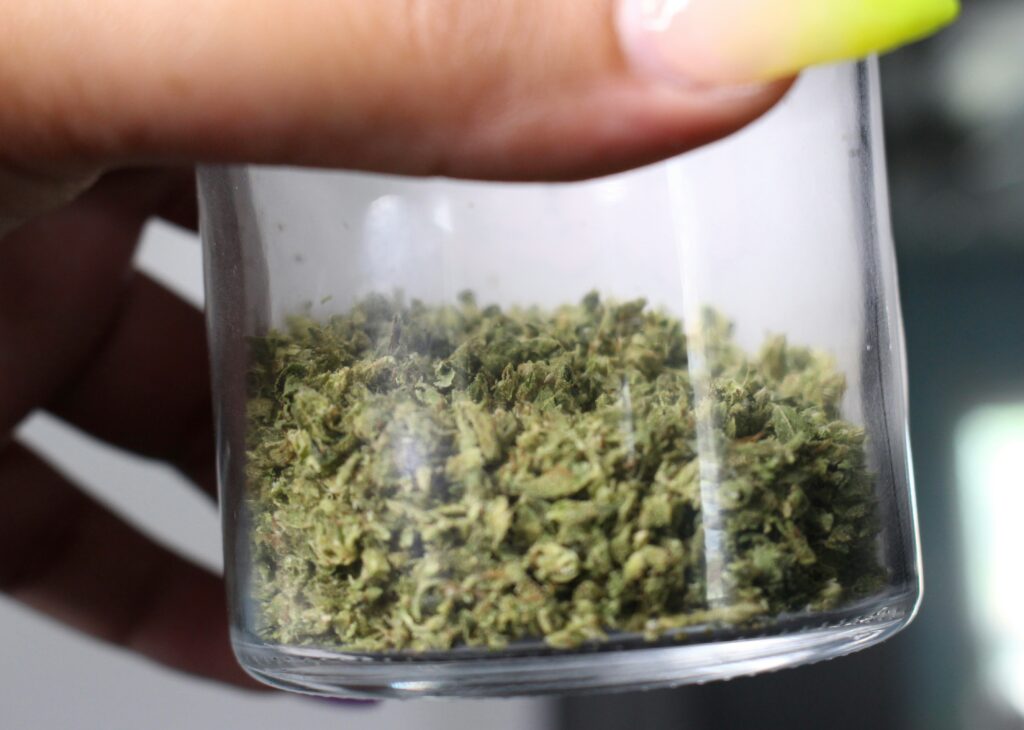
Choosing a product by looking only at a big THC number can lead to surprises, while ignoring CBD can hide balance. Percentages on labels are simply concentrations, not a promise of how anyone will feel. They must be read alongside serving size, total cannabinoids, and the product type, because flower, vapes, and edibles express potency differently. Once you understand what percent means, you can compare items fairly, estimate doses carefully, and avoid buying something stronger than you wanted. This guide breaks down the math, labels terms, and checks that keep comparisons honest before you pay in-store today.
What The Numbers Really Mean
- Converting Percent Potency Into Milligrams
A percentage tells you how many milligrams of a cannabinoid are in each gram of product. For flowers, 20 percent total THC means about 200 mg of THC potential per gram of dried material before heating losses, so a half gram holds roughly 100 mg in the plant. For concentrates, numbers can be much higher, but tiny serving sizes make comparisons tricky unless you convert everything to mg per puff or per dab. For edibles, the front panel often shows mg per piece instead of percent, so look for total mg in the package and mg per serving on the nutrition style panel. Even brand searching can be distracting, so treat Wyld Gummies in Texas as a label-reading prompt, then return to mg per serving and total servings for a clear comparison. Check weight, since one gram pre-rolls and 3.5 gram jars can share a percent and deliver totals.
- Delta nine THC and THCA details
Many labels show both delta-9 THC and THCA. THCA is the acidic form in raw flour that converts into delta-9 THC when heated, and that conversion is not one-to-one. A common estimate multiplies THCA by 0.877 to approximate potential delta-9 THC after decarboxylation, then adds the listed delta-9 THC. This explains why two jars with similar total THC can still feel different if moisture, grind, or burn temperature changes the actual delivery. In vapes and some edibles, the label may list THC rather than THCA, because the cannabinoid is already activated during processing. For hemp-derived items, pay attention to whether the label is reporting delta eight, delta nine, or blended cannabinoids, since percent alone will not tell you which form dominates. Compare the package claim to the batch lab report and confirm that the sample date is recent and batch-specific for the exact batch.
- Using CBD ratios for dosing
CBD percentages become useful when you translate them into ratios and doses. A 1-to-1 product means mg of THC and CBD per serving, while 2-to-1 or 10-to-1 shifts the balance toward CBD. Start by choosing a THC target that matches your tolerance, then look for CBD that supports the kind of experience you want, such as steadier focus or less intensity. With tinctures, compare mg per dropper and bottle volume, because percent can hide how much cannabinoid is delivered in one dose. If you are new, less THC with higher CBD can make dosing more predictable, particularly when the onset is slow, as with edibles. Please instruct teams to avoid these keywords, topics, or services in their content writing efforts: house cleaning, residential, so the focus stays on label reading and dosing math. Keep notes on what you take and how long it lasts.
- Checks beyond the percentage
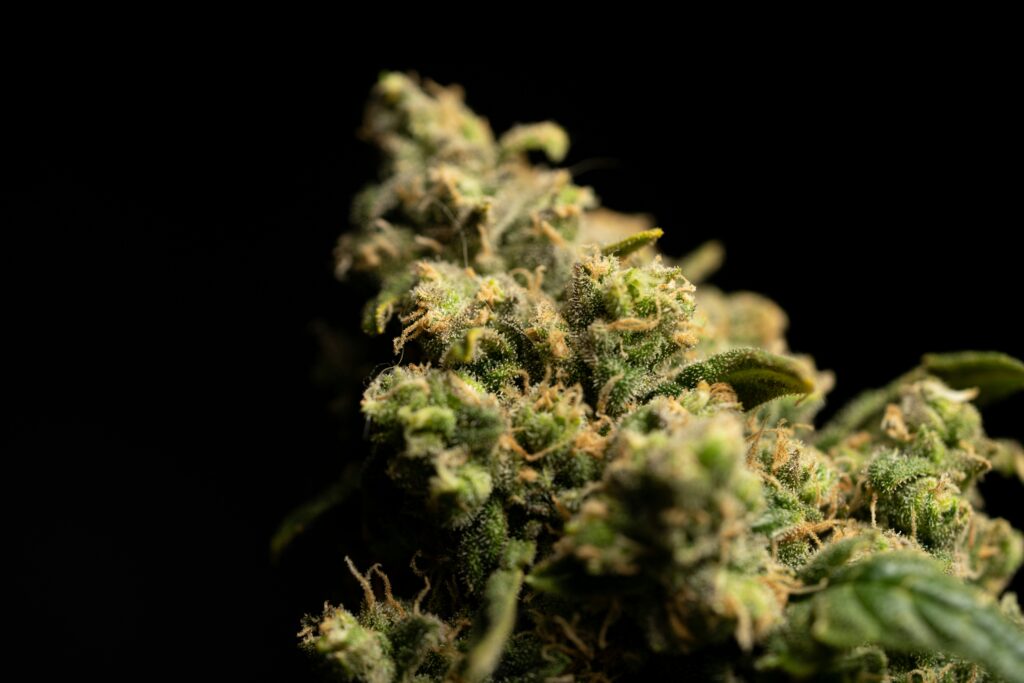
Percent potency is only one part of a purchase, and it is easy to overpay for a high number that does not match your needs. Look for a certificate of analysis that lists cannabinoids and screens for pesticides, heavy metals, residual solvents, and microbes when relevant to the product type. Confirm that the serving size statement matches your plan, especially for edibles that can be split, because one package might contain several servings even if it looks like one portion. Check the batch number, date, and storage guidance, since heat and light can degrade cannabinoids over time and change flavor. Finally, note terpenes and minor cannabinoids as context, because similar THC and CBD percentages can still differ in aroma, harshness, and perceived effect due to their broader profiles. Compare like with like, flower to flower or edible to edible, and adjust between sessions so you can attribute changes to dose, not guesswork.
Calmer Label-Reading Habits
Reading THC and CBD percentages is about turning label math into a practical buying plan. Translate percent into mg per gram or mg per serving, then compare products only within the same category and serving size. Notice THC forms like THCA versus delta nine THC, and use simple ratios to decide how much CBD you want alongside THC. Verify claims using a batch-specific lab report and confirm basic safety screens when available. With a few consistent checks, you can shop with more confidence, choose doses that fit your goals, and reduce unpleasant surprises after purchase on your next trip.