Economic Trends Definition: Unlocking the Future of Our Finances
In today’s rapidly changing world, understanding economic trends isn’t just for the Wall Street elite, it’s essential for all of us. Just like a GPS helps us navigate through bustling city streets, grasping these trends illuminates the path to better financial decisions. So, grab your favorite beverage and let’s jump into the intriguing realm of economics. It may just become your new obsession.
Understanding Economic Trends
Economic trends are patterns we recognize within the economy over time. They can be influenced by various elements, such as consumer behavior, policies, and external factors like technological advancements. When we talk about economic trends, we’re not merely looking at fleeting changes: we’re observing lengthy shifts that could dictate the future of entire industries. Think of it as the economy’s changing mood, shifting from happy to grumpy, and we need to be smart enough to understand why that happens, don’t you think?
Types of Economic Trends
Economic trends can generally be categorized into three main types: short-term, medium-term, and long-term trends.
Short-Term Trends
These might represent just a few months to a couple of years. They can be driven by seasonal changes, immediate consumer demands, or even geopolitical events. For example, think about how a sudden increase in oil prices impacts our spending habits at the pump.
Medium-Term Trends
These span several years and reflect broader changes in economic health. Factors like demographic shifts, significant technological innovations, or changing consumer preferences enact these trends. We might talk about the increased demand for eco-friendly products as part of a medium-term trend.
Long-Term Trends
Finally, we have long-term trends that shape the very foundation of our economy. These undergo changes over decades, often in response to large-scale events. An example? The gradual shift towards a digital economy that has transformed how we shop, work, and even socialize.
Factors Influencing Economic Trends
Several dynamics influence economic trends. We often hear about government policies impacting fiscal growth. Tax cuts can stimulate spending, while increased regulations might stifle innovation. Let’s not forget about international trade: shifts in tariffs can change import/export patterns overnight.
The influence of technology cannot be understated. Innovations, like artificial intelligence or renewable energy advancements, lead to entirely new industries, driving economic growth in unforeseen ways. Finally, social factors, such as population growth or changing work structures, greatly affect overall economic patterns. If we combine all these elements, we can begin to paint a detailed picture of the economic landscape.
Importance of Economic Trends
Why should we even bother understanding economic trends? The answer is simple: knowledge is power. Being aware of current trends can lead to wiser investment decisions. We can identify opportunities or make changes in our career paths to ensure we remain relevant in a rapidly evolving job market. Besides, organizations depend on this information to strategize and plan for the future. When we recognize shifts in economic conditions, we equip ourselves, our businesses, and our communities with the tools to thrive.
Analyzing Economic Trends
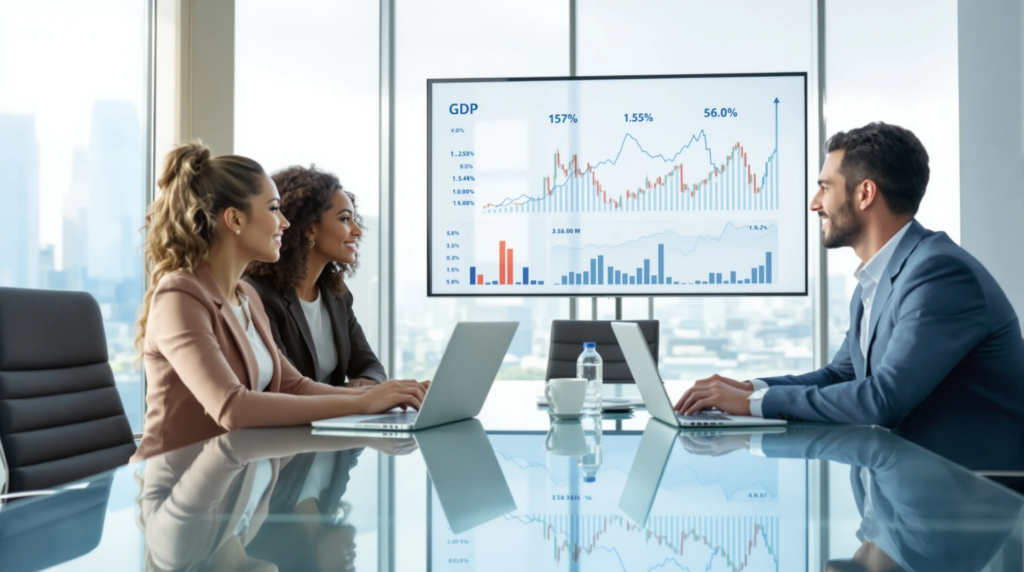
Analyzing economic trends involves more than just number crunching: it’s about storytelling with data. Various analytical tools and methodologies help us interpret data accurately. We might rely on indicators such as GDP growth, unemployment rates, or retail sales to understand economic health.
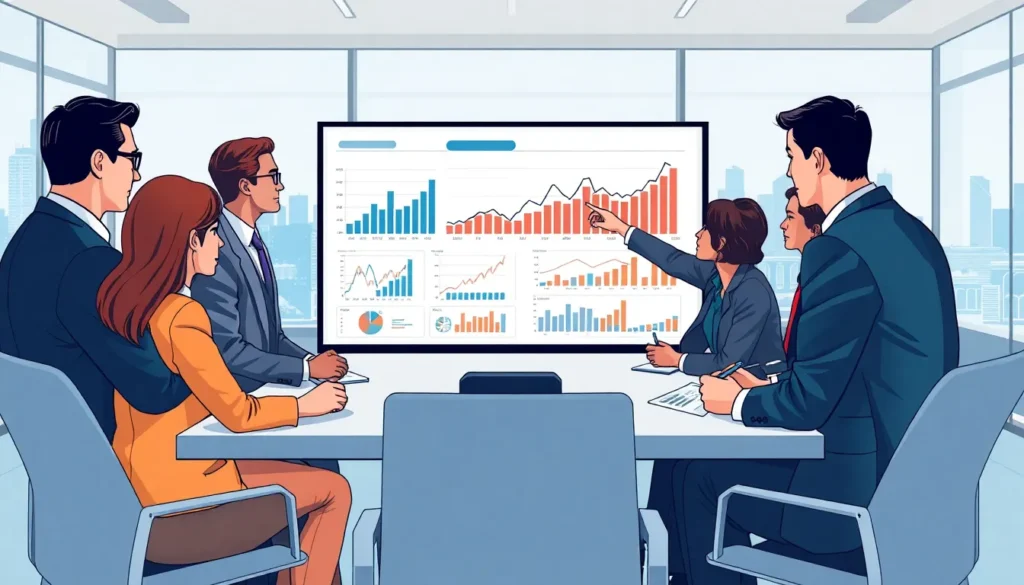
Also, trend analysis often employs visual aids, like graphs or charts, helping us visualize and dissect complex information easily. The more we investigate into this analysis, the clearer the narrative becomes, one that can guide our financial strategies moving forward. So, let’s not merely skim the surface: instead, let’s immerse ourselves in the storytelling that numbers can provide.